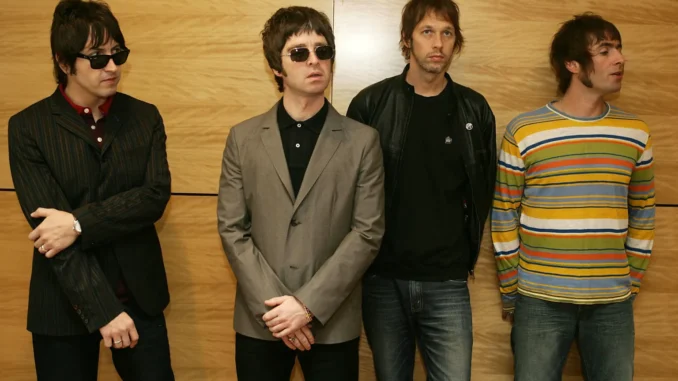
The Sun Spoke to Oasis in 2006 — Three Years Before the Band Split, the Warning Signs Were Already There
In 2006, Oasis were still one of the biggest rock bands on the planet. Stadiums were packed, albums continued to sell in huge numbers, and Liam and Noel Gallagher remained two of the most recognizable figures in music. To fans around the world, Oasis looked unstoppable.
Yet beneath the success, tensions were growing.
When The Sun interviewed the band in 2006, the conversation offered a fascinating glimpse into the personalities that had fueled Oasis’ incredible rise to fame. Looking back today, that interview feels almost prophetic. Three years later, in August 2009, Oasis would officially split after Noel Gallagher announced he could no longer work with his younger brother.
At the time, however, few imagined the end was so close.
By 2006, Oasis had already enjoyed over a decade of remarkable success. Albums like Definitely Maybe and (What’s the Story) Morning Glory? had become defining records of the Britpop era, while songs including “Wonderwall,” “Don’t Look Back in Anger,” and “Live Forever” had become modern classics.
The Gallaghers had built a reputation not only for writing unforgettable songs but also for speaking their minds. Interviews often became headline news because neither brother was afraid to criticize rivals, joke with reporters, or even challenge one another.
That honesty was on full display during the 2006 conversation.
While both brothers spoke confidently about the band’s future, their different personalities were impossible to ignore. Noel appeared thoughtful and focused on songwriting, while Liam remained unpredictable, humorous, and fiercely confident.
Fans loved that contrast.
It was part of what made Oasis unique.
But in hindsight, it also hinted at the growing distance between the brothers.
Throughout Oasis’ career, creative disagreements had become increasingly common. Noel was the band’s principal songwriter and often preferred careful planning, while Liam thrived on spontaneity and raw energy. Although those differences had once helped create musical magic, they were becoming harder to manage.
Even during successful tours, stories regularly emerged about arguments backstage, canceled rehearsals, and heated exchanges.
Still, whenever Oasis took the stage, those conflicts seemed to disappear.
The music always came first.
That was one of the reasons fans continued to believe the band would last forever.
Following the release of Don’t Believe the Truth in 2005, Oasis enjoyed renewed commercial and critical success. The album reminded audiences that the band could still produce exciting rock music more than ten years after their breakthrough.
By the time of the 2006 interview, optimism surrounded the group.
New songs were being performed live, world tours continued to attract massive crowds, and Oasis remained one of Britain’s biggest musical exports.
Few people expected what would happen next.
Behind closed doors, however, the relationship between Noel and Liam continued to deteriorate.
Arguments reportedly became more frequent, with disagreements extending beyond music into personal matters. Friends and colleagues occasionally acknowledged that the brothers often struggled to spend long periods together.
Despite those tensions, Oasis continued recording.
Their final studio album, Dig Out Your Soul, arrived in 2008 and was widely praised for its adventurous sound. Tracks such as “The Shock of the Lightning” demonstrated that Oasis still had plenty of creative life remaining.
Many fans believed the band was entering another exciting chapter.
Instead, it became their last.
Everything changed in August 2009.
Just before a scheduled performance at the Rock en Seine Festival in Paris, another argument erupted between Noel and Liam. This time, the disagreement proved impossible to overcome.
Noel released a statement confirming his departure from Oasis.
His words shocked millions of fans around the world.
After nearly two decades together, one of Britain’s greatest rock bands had come to an end.
For years afterward, speculation about a reunion dominated music headlines.
Every interview with Liam or Noel seemed to include questions about whether Oasis would ever return.
Sometimes the answers sounded hopeful.
Other times they appeared impossible.
The brothers regularly exchanged public comments, occasionally criticizing one another before later softening their tone.
Fans never stopped believing.
Looking back, the 2006 interview now carries a special significance.
Rather than simply being another promotional conversation, it captured Oasis during one of the final periods when the band still appeared capable of continuing indefinitely.
Their confidence remained intact.
Their humor was unmistakable.
Their chemistry, despite its cracks, was still visible.
It serves as a reminder that even legendary bands can experience private struggles hidden behind successful tours, hit records, and sold-out concerts.
Today, Oasis’ legacy remains stronger than ever.
Their music continues to attract new generations of listeners through streaming platforms, vinyl reissues, documentaries, and live performances by tribute bands around the world.
Songs written decades ago still fill arenas whenever audiences sing every lyric back.
The influence of Oasis extends far beyond Britpop.
Countless modern rock bands have cited Noel Gallagher’s songwriting and Liam Gallagher’s unmistakable vocal style as major inspirations.
Whether discussing guitar-driven rock, British music history, or unforgettable live performances, Oasis remain central to the conversation.
The 2006 interview also reminds fans why the Gallaghers fascinated audiences for so many years.
They were never polished media personalities.
They spoke honestly, argued openly, laughed freely, and rarely pretended everything was perfect.
That authenticity helped create one of rock’s greatest stories.
Although the band’s split brought disappointment, it never diminished the power of the music they created together.
For longtime supporters, revisiting interviews from 2006 offers more than nostalgia.
It provides a snapshot of a legendary group standing at a crossroads, still enjoying worldwide success while unknowingly approaching the final chapter of its original journey.
History has a way of giving ordinary moments extraordinary meaning.
An interview that once promoted a successful band now serves as a historical document—capturing Oasis before everything changed forever.
Nearly two decades later, those conversations remain compelling because they reveal not only two iconic musicians but also two brothers whose remarkable partnership transformed British rock music forever.
Whether celebrating the glory years or reflecting on the band’s eventual breakup, fans continue to cherish every glimpse into Oasis’ remarkable history.
And when they look back at that 2006 interview today, it’s difficult not to wonder if the first signs of the end had already begun to appear—even if almost nobody noticed them at the time.


Leave a Reply